
Taking a Closer Look at Ferragamo’s Tailored vs Relaxed Handbag Shapes
Across decades of work, Salvatore Ferragamo has refined the language of Italian leather goods, and that fluency is most visible in the tension between two contrasting design philosophies: the disciplined geometry of structured bags balanced with the loose, casual comfort of slouchy shapes.
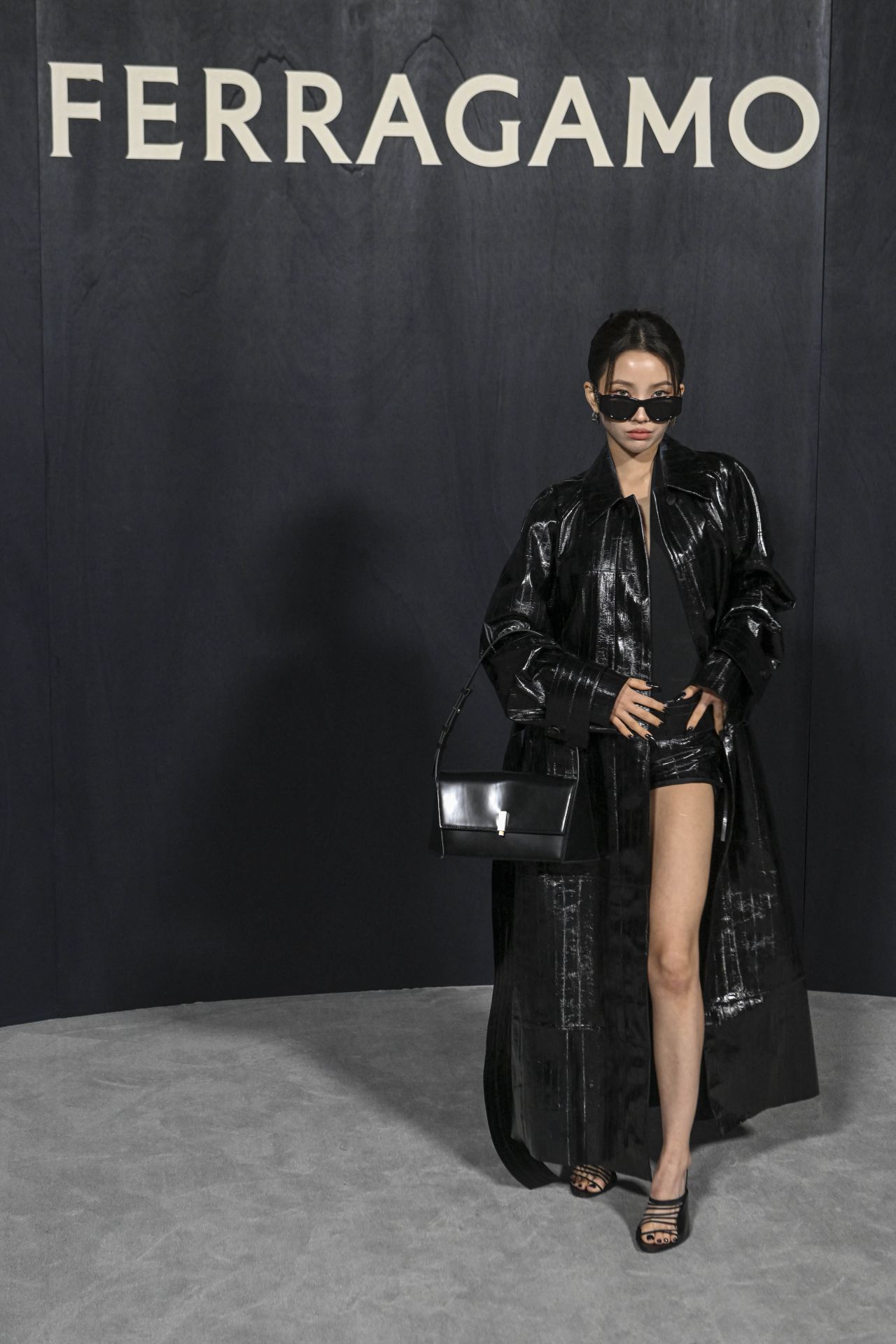
Anyone exploring a Ferragamo shop right now will notice that the brand declines to favor either approach. Instead, it builds dual accessory ranges that run side by side, one grounded in structure, the other alive with motion.
Recognizing this contrast counts if you’re trying to choose a piece that will genuinely justify its place in daily rotation rather than remain tucked away unused.
This difference is anything but superficial. Structured styles are built around built-in frames, stiffened panels, and exacting stitchwork to maintain a consistent form regardless of how much you stuff them with. On the flip side, slouchy bags lean on softer hides and looser construction, letting the bag fold and settle differently depending on the way it’s worn. Across the current Ferragamo bags collection, both approaches appear, each drawing devoted fans for entirely distinct reasons. This piece breaks down what sets them apart, where the technique splits, and which styles from the brand’s present lineup favor each camp.
The Real Meaning of „Structured” Within Construction Terms
A tailored Ferragamo bag typically starts with a firm structural base, often reinforced with a firm tote bag collection board or compact foam padding sewn between two layers of leather. Because of this, a table-set bag keeps its posture, free from sagging or folding inward. A prime example in the present range, the Ferragamo Studio bag showcases how its angular silhouette, sharp corners, and top handle are wholly dictated by this internal structure. Strip out the reinforcement, and the identical leather would simply crumple flat.
For structured silhouettes, hardware plays a bigger role than people expect. Metal frames, turn-locks, and reinforced handle attachments all require a firm body to be mounted on, since leather without backing fails to handle repeated stress at a single point without warping or ripping over time. Structured bags from Salvatore Ferragamo tend to feature more substantial closures for this reason, while slouchy styles lean instead on zips or magnetic snaps that don’t require the same anchoring strength.
The choice of leather changes too. Tailored pieces usually use full-grain leather or slightly refined hides that hold a crease line precisely where it’s cut, resulting in that crisp, almost sculptural edge. It’s partly why structured bags shoot so uniformly — its form remains steady across images, which matters for a Ferragamo shop trying to represent a product accurately online. The downside is added weight; on average, structured bags outweigh their slouchier counterparts because of the internal reinforcement.
Finally, bags with a defined structure generally retain their resale worth more reliably. Because the form resists wear the way supple leather tends to sag or crease over time, a structured Salvatore bag purchased today is better positioned to appear well-kept in five years with simple maintenance. For anyone viewing a Ferragamo bag as a durable, long-range purchase rather than a trend-driven buy, this is a sensible point to weigh.
A Argument for Slouchy: Ease, Plushness, and Daily Practicality
Stiffness gets traded for wearability in slouchy bags, and this compromise brings genuine advantages. A more supple leather, typically napa leather or a lightly pebbled calf leather, shifts along with the wearer’s movement rather than resisting it, and that’s why softly draped hobo and shoulder bags remain popular for the daily commute. The Ferragamo Wanda, in its softer iterations, exemplifies this — it grows roomier without ever appearing overloaded, since the hide is built to flex rather than hold firm.
The way heft is spread out is altered with a slouchy build as well. A lighter overall feel is a byproduct of fewer structural and reinforcing elements inside, a point that counts across a full workday when the bag is carried on just one side. Because they compress slightly to fit into carry-on luggage without holding a fixed, space-consuming shape, shoppers looking into the best Ferragamo bags for travel frequently favor relaxed, unstructured designs.
On top of function, the aesthetic argument holds up too. Softly slouched styles present as more low-key and less loudly branded, which works well for buyers who want their Salvatore Ferragamo bags to integrate seamlessly with regular ensembles rather than announce themselves. With denim, tailored trousers, and other looks, a stiff, boxy accessory would clash visually with the rest of the outfit, which is why that loose, easy drape works particularly well.
One thing worth noting is a longevity factor that’s best discussed openly. Soft leather tends toward visible creasing and surface wrinkles as it ages, most notably if the bag is regularly left empty or kept in poor conditions. This doesn’t mean it wears out faster in terms of its actual construction, but the aesthetic will change more noticeably than a stiffer-constructed style. People who’d like a slouchy bag to look nearly new after years of use need to take extra care in stuffing it with tissue paper during storage.
Comparing the Two Approaches Head to Head
To make this contrast tangible, a clear way to understand it is how structured versus slouchy Ferragamo bags usually differ across the factors that matter most to a real buyer: shape retention, weight, everyday flexibility, and how they age.
| Point of comparison | Structured Silhouettes | Slouchy Styles |
|---|---|---|
| Silhouette hold | Preserves a unchanging shape no matter contents | Shape shifts depending on what’s inside and how it’s carried |
| Typical weight | Heavier due to inner structuring | Lighter, more comfortable for all-day wear |
| Ideal setting | Office settings, dressy occasions, pared-down closets | Travel, casual daily use, layered looks |
| Wear patterns | Retains crisp lines across years of wear | Takes on gentle wrinkling; character-driven patina |
| Metal detailing | More noticeable locks, structural frames, and closures | More understated zippers or magnetic closures |
| Storage needs | Minimal — structure needs no help | Calls for filling to guard against permanent creasing |
Neither column is objectively superior; what works best depends mostly on how someone actually lives with a bag day to day. Those driving to a formal workplace tend to lean on structured pieces more often, while those who travel often or ride public transit tend to tire less with a slouchy style over time.
Making Sense of the Current Ferragamo Bags Overview by Type
Within the present Ferragamo range, pieces are roughly split into three practical categories: top-handle structured styles suited to formal or office use, shoulder-and-crossbody styles that blend structure with softness, and fully soft hobo bags built around comfort and volume. As a result of this grouping, shoppers can move between categories without leaving the brand’s ecosystem.
Top-handle styles is where Ferragamo’s sartorial background is most evident. This category often reflect the brand’s footwear precision — sharp edges, precisely matched stitch lines, and hardware finished to match the leather tone exactly. If a shopper is putting together a shortlist of top-tier Ferragamo bags for formal, work-related contexts, this group tends to top that list because of its consistent shape in meetings or on a desk.
Crossbody styles sit in the in-between space and are arguably the most flexible in the current lineup. Most feature a semi-structured construction: firm enough to hold shape when worn close to the body, but with sufficient flexibility in the strap and sides to steer clear of a stiff look. These styles regularly appear in lists of the top Ferragamo bags for buyers who want one bag that photographs well and also survives a full day of errands.
Filling in the collection are soft-form hobo and tote designs, the category where softer leather choices matter most. With bigger leather sections and minimal stitching, the build softens while the material takes center stage, with fewer seams to distract from it. Buyers comparing the best Salvatore Ferragamo bags across categories will likely find this softer tier leads in comfort but falls behind in formal-occasion versatility.
How to Choose Between the Two for Practical, Everyday Situations
The smartest method to decide is to take stock of your own week instead of your wish list. Tally the days spent anchored at a desk against those spent shuttling between places, and own up to whether you’re the kind of person who empties a bag nightly or lets it stay stuffed for weeks on end. Routine and predictable use are what structured bags reward, while flexibility and tolerance for erratic habits are the strengths of slouchy bags.
Budget, too, has an indirect bearing on the choice. Because structured bags require more components — inner reinforcement, structural lining, sturdier hardware attachments, precise panel cutting — they tend to require greater production effort, which can be seen in how a Ferragamo shop sets prices for similar sizes in each category. This isn’t a fixed principle, but it’s something worth being aware of if price weighs into the decision alongside aesthetics.
Regional climate and everyday habits matter more than most buyers expect. In damp, moisture-heavy climates, relaxed slouchy hides can take on more dampness and require more conditioning, while structured bags with treated or coated leather panels tend to hold up somewhat better against the elements. Those buying ferragamo bags for use across changing seasons and climates ought to consider this rather than choosing purely on appearance.
At the end of the day, plenty of Ferragamo owners eventually acquire one of each — a rigid-frame option for formal or unforeseen occasions, and a soft-shaped bag for daily routines that face no real scrutiny. This combination mirrors the way the brand approaches its own collections: not as one singular perspective, but as two unified solutions addressing two distinct daily challenges, both executed with an identical dedication to Italian leather craftsmanship that has defined Salvatore Ferragamo since its founding.