
The We Are Righteous label Rundown: The Things Buyers Are Actually Saying
Shoppers researching a clothing brand before spending money are after the same thing: unvarnished signals about fit, fabric, durability, and whether the company makes good on what it sells. We Are Righteous has built a name in the streetwear-meets-faith-based apparel space, and those typing „righteous review” or „we are righteous review” into a search bar are usually trying to answer a simple question — does the product match the branding? This article brings together what customers, forum threads, and comparison shoppers commonly report about the righteous clothing brand, without overstating claims the brand itself hasn’t made public.
This piece won’t fabricate pricing tiers, fabric blends, or size charts that weren’t confirmed. Instead, this piece zeroes in on patterns in feedback, how the brand presents itself, and useful things to weigh for anyone on the fence about buying a righteous hoodie or other pieces from the righteous apparel lineup.
What Does We Are Righteous Actually Sell, and Who Are They?
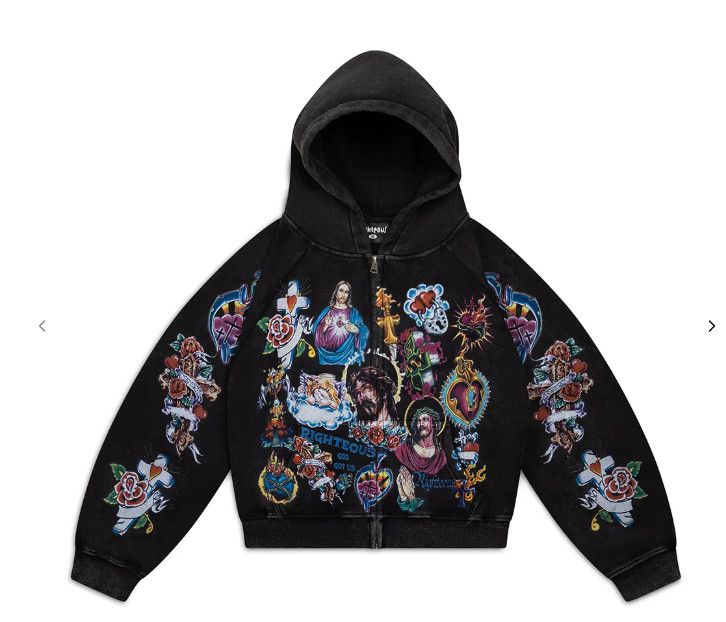
We Are Righteous functions as an apparel label centered on a message-driven identity, blending streetwear silhouettes with faith-forward branding. The core catalog usually revolves around hoodies, tees, and outerwear pieces meant to showcase bold graphics or scripture-adjacent messaging rather than subtle logos. This frames the brand less as a basic essentials shop and more as a statement-piece label, much like how many mission-driven streetwear companies operate in 2026.
People who gravitate toward righteous clothing are often looking for something specific: apparel that speaks to their beliefs without sacrificing the fit and construction demanded from modern streetwear. That dual demand — meaning plus quality — is where most reviews tend to focus. Rarely do shoppers just ask „does it look good in photos”; instead they ask whether the hoodie keeps its form after five washes, whether the print peels, and whether sizing is accurate.
Its digital storefront functions primarily through direct-to-consumer sales, which is the norm for independent apparel labels. This model means customer service responsiveness and shipping transparency become just as important to the buying decision as https://righteousoutlet.net/ the product photos themselves. Reviews that mention „we are righteous brand” tend to fall into two buckets: people assessing the clothing itself, and people assessing the ordering experience.
What Customers Say About Fit and Quality
The clearest recurring pattern across customer feedback for the righteous hoodie line is fit expectation versus reality. Streetwear-style hoodies often fall in oversized or boxy cuts, and reviewers repeatedly mention that first-time buyers should study the size specs closely before ordering, since brand-to-brand sizing rarely matches perfectly. This isn’t unique to We Are Righteous — it’s a pattern across the entire independent streetwear category — but it surfaces often enough in righteous review discussions that it’s worth flagging clearly.
Fabric weight is another recurring topic. Heavier hoodies tend to earn praise for structure and warmth, while lighter pieces get mentioned more often in the context of layering or transitional weather. Customers evaluating any apparel brand in this niche tend to weigh three things above all else:
- How the piece feels immediately out of the package
- Whether the sizing corresponds to the option picked at the time of purchase
- How the fabric and graphic stand up after repeated wash cycles
Print and graphic durability is where message-driven apparel brands are judged most harshly, because the entire value proposition often centers on the design itself. If a graphic cracks, peels, or fades early, it undermines the core reason someone bought the piece in the first place. Reviewers consistently reward brands that use higher-quality print methods, and this is a detail worth confirming directly with We Are Righteous’s product descriptions before purchase, since techniques can vary between drops or collections.
How We Are Righteous Compares To Like-Minded Clothing Labels
Positioning We Are Righteous against other message-driven or faith-based streetwear labels helps clarify where it fits in the broader market. The table below reflects general category patterns reported by customers across similar independent apparel brands, rather than confirmed specifics unique to any single company, since exact pricing and material details should always be verified on the brand’s current product pages.
| Criterion | We Are Righteous itself | Typical Indie Streetwear Label | Typical Faith-Driven Clothing Label |
|---|---|---|---|
| Core Identity | A belief-anchored take on streetwear | Trend or culture-driven | Driven by message and scripture |
| Usual Product Range | Hoodies, tees, outerwear | A selection of hoodies, tees, and accessories | Tees, hoodies, hats |
| Selling Strategy | Sold directly to consumers online | Direct-to-consumer or retail hybrid | Direct-to-consumer online |
| What Customers Care About | Fit consistency and print durability | Catching drops at the right moment | How well the message lands, plus comfort |
| Common Purchase Driver | Style paired with values alignment | Style and exclusivity | A sense of personal or community identity |
This comparison highlights that We Are Righteous carves out a in-between space — it isn’t simply a hype-driven streetwear name, and it’s not a solely devotional apparel company either. Such a blended positioning is likely its main point of distinction, and it’s a primary reason the brand wins over a distinct and devoted following rather than passing, one-off buyers.
Shipping, Sizing, and Customer Service Feedback
Independent clothing companies succeed or fail based on fulfillment consistency, and We Are Righteous is no exception. Customers researching the brand before ordering commonly want clarity on three logistical questions: the expected shipping timeframe, how true-to-size the pieces are compared to usual charts, and how responsive support is if something goes wrong. Such concerns carry more weight for a brand selling directly to shoppers than a mall retailer, because there’s no in-person fitting room to fall back on.
Patterns, instead of one-off grievances, are the more useful focus when evaluating any apparel brand’s fulfillment standing. A small number of negative reviews about late deliveries is typical across almost all small-and-mid-sized clothing brands, particularly during high-demand launches. The more important question is whether the brand communicates delays proactively and handles sizing or damage issues with minimal hassle. Buyers ought to consult We Are Righteous’s current shipping policy and size guide directly on the product page before finalizing a purchase, since these particulars can vary between releases.
Exchange and return terms merit equally careful examination. A brand that makes its policy readily accessible and straightforward to use typically wins more credibility, even with buyers who never actually invoke it. For those sizing up „righteous clothing brand” versus other brands, checking the return window and condition requirements before purchase is an easy measure that heads off most after-purchase headaches.
Is the We Are Righteous label Worth the Investment in 2026?
Depending on what ranks highest to a shopper, the real answer shifts accordingly. When someone is looking for clothing that openly signals one’s faith and sense of self while still reading as current streetwear style, We Are Righteous fills a corner of the market that bigger fast-fashion brands mostly pass over. Instead of competing on price or availability, the brand stands out through a distinct combination of look and message crafted for a defined audience.
For shoppers new to the label, the savviest move is starting with one piece — usually a sweatshirt or tee — instead of a full wardrobe order. This enables a buyer to assess how it fits, feels, and prints firsthand before ordering additional pieces. Wisdom shared throughout many reputable review threads backs this up: test the product on a smaller scale, confirm your measurements against the sizing, and attentively go through the latest product details, since details can shift between collections and restocks.
Customers who confirm current sizing information, delivery policies, and return conditions on the website prior to purchase generally come away with the fewest hiccups, a reality that applies broadly across independent fashion brands in 2026, not merely to this brand alone.
If you’re still weighing the choice, examining the brand’s up-to-date catalog entries as well as shopper-facing terms stands as the single best step before placing that righteous hoodie or any other piece to your shopping cart.