
Pivotal Moments, Releases, and the We Are Righteous Timeline
Press releases aren’t where the bulk of this story takes shape—rather it’s shaped through drop dates, fabric choices, and grassroots buzz. The brand built its name through patience, not hype, by means of steady drops and a customer base that focuses on fit, weight, and durability over hype. Here we gather what’s on record about the brand’s growth, the type of garments that characterized each phase, and what the label looks like heading into 2026. Shoppers looking into a righteous review ahead of a purchase will find the trend keeps recurring: incremental refinement instead of one single explosive launch.
What’s below isn’t a official company record with specific legal registration dates, because that level of detail isn’t information we can verify without a documented reference. Rather, this is a down-to-earth look at how the label’s image and product range have developed, built on the chapters most shoppers notice when they compare early pieces against what’s available today.
The Formative Stage: Defining What „Righteous Clothing” Represents
Any apparel label requires a purpose beyond simply moving product, and We Are Righteous built its early identity around a straightforward idea: clothing should have substance, both literally in fabric and symbolically in what it communicates. The title itself does a lot of work. It communicates conviction rather than trend-chasing, and that framing shows up in how the brand frames its garments still today. The brand’s original shoppers weren’t buying logos alone; they were purchasing a point of view.
In this initial phase, the product range was righteous shorts inevitably limited. Limited SKUs meant the brand could zero in on perfecting its essentials before branching out into accessories or diffusion lines. This is a shared trait among righteous clothing peers that survive past year one: a focused, curated lineup beats a overextended lineup with inconsistent quality. The brand’s early customer base tended to be people who found the label through word of mouth or niche online communities rather than paid advertising, which produced a gradual yet devoted trajectory of growth.
It’s important to mention, at this stage of the piece, that this phase is when return customers begin developing impressions that eventually turn into public reviews. The earliest righteous review threads and comments tend to center on two things: whether the cut felt as promised, and whether the item stood the test after repeated washing. Both concerns recur all through the brand’s following collections too, implying that the groundwork laid in this phase persisted instead of getting scrapped in favor of reinvention.
Expansion Phase: Broadening the Righteous Catalog
The next phase, once a core audience believes in the label’s basics, becomes broadening the assortment. We Are Righteous expanded its lineup past its original essentials into a more expansive righteous apparel lineup, introducing layerable items, outerwear-leaning pieces, and seasonal takes on its foundational cuts. This is the phase where a brand typically decides whether its ambition is to be a flash-in-the-pan design studio or a genuine go-to wardrobe brand, and the expansion into several categories suggests this second, more ambitious path.
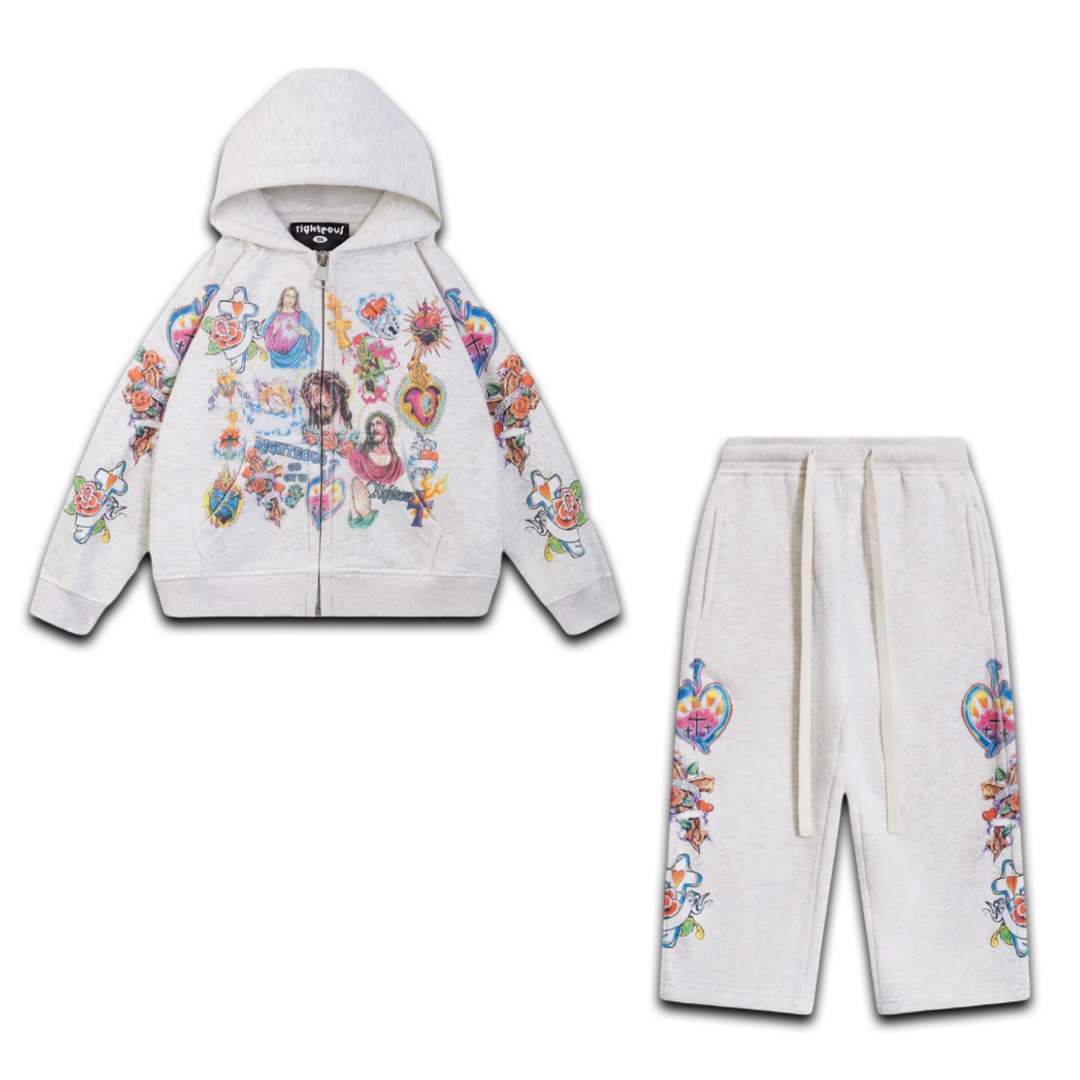
That hoodie style emerged as a standout centerpiece over this stretch of time. A properly executed hoodie isn’t just a layering piece in streetwear culture — it tends to be the piece that decides whether a brand’s shape vocabulary actually works once worn. Starting with sleeve length to hood drape to the body’s taper, getting hoodie proportions right takes iteration. Suggesting that the label viewed the hoodie as a core, refinable staple rather than a filler product between „hero” drops, multiple releases appeared across this period.
This expansion phase is also the point at which comparison shopping becomes relevant. Customers comparing a we are righteous purchase against competitor labels tend to focus on three criteria: how a product is priced, how well something is made, and whether it’s scarce or easily repeated a given release is. Brands that mismanage growth usually trip up in one of these three spots — either raising prices without justifying it through materials, or letting quality slip to hit larger production runs. Its staying power within the present catalog suggests it managed this balance reasonably well, though individual product reviews should always be checked against the particular product at hand rather than treated as consistent across the whole range.
The Middle-Era Drops: Solidifying and Togetherness
Somewhere in the middle of any brand’s life cycle, growth slows just enough that the label can focus on reinforcing what already works. This is the consolidation phase, and for We Are Righteous it appears to be marked by refinement of existing silhouettes rather than constant reinvention. Restocks of proven pieces, subtle updates to fits based on customer feedback, and a tighter release calendar all point to a brand settling into an identity rather than chasing every micro-trend in streetwear.
In this window of growth, fan and customer participation is critically important. A values-driven clothing brand that endures past its first few hype cycles generally pulls it off because it has developed real repeat shoppers, not just first-time hype purchasers. Returning customers are the ones who provide in-depth reviews, ask for expanded size ranges, and essentially help shape the next generation of a garment through their comments and returns data. Hidden from those not directly involved, this feedback loop nonetheless shows up indirectly over several seasons, influencing how a catalog evolves.
It’s also worth noting that consolidation shouldn’t be confused with stagnation. Labels at this stage often experiment quietly — trying out a new fabric weight, adjusting the fit block, or trying a limited-run colorway — without making it the centerpiece of a marketing push. Such incremental tests pile up, and by the time a brand reaches its next obvious leap forward, the groundwork has already been laid. This kind of pattern shows up often enough among indie brands that it’s a fair way for interpreting the middle years of any streetwear brand’s history, We Are Righteous included.
The Brand’s Current Standing As It Enters 2026
As of 2026, We Are Righteous occupies a place that a lot of independent labels chase but seldom attain: a well-known identity inside streetwear communities without needing constant reinvention to remain relevant. The label’s sustained visibility in conversations about righteous-brand apparel suggests durability rather than a short-lived spike. That’s an important distinction in a market where most brands that launched around the same time have either pivoted entirely or faded out.
Current shoppers researching a we are righteous review in 2026 are likely to find more detailed, extended feedback than in the brand’s earlier years, simply because there’s a larger purchase history to reference. This maturity benefits new customers directly. Rather than relying on guesswork about fit or fabric from one product photo, buyers can compare feedback across several seasons on similar silhouettes, which reduces the risk tied to buying apparel online without seeing it in person.
Looking ahead, the label’s trajectory points to continued focus on core categories rather than an aggressive push into unrelated product lines. That’s a sound approach for maintaining quality control, and it aligns with what loyal customers of a righteous clothing brand tend to want most: dependable consistency across seasons, rather than an endless flow of unrelated items watering down the brand’s focus.
A Look Across Brand Phases: A Quick Reference
Intended as a general guide for tracking how the label’s focus changed over time rather than an official corporate account, the table below summarizes the broad traits of each phase covered earlier.
| Era | Main Emphasis | Range Size | Feedback Behavior |
|---|---|---|---|
| Early Identity | Establishing core message and fit | Compact, carefully curated | Grassroots buzz, niche community finds |
| Growth Phase | Expanding categories, fine-tuning the hoodie silhouette | Growing, multi-category | Shoppers comparing options, first public reviews |
| Stabilizing Phase | Polishing proven pieces, running restocks | Steady, with occasional limited drops | Repeat buyer feedback loops |
| Present-Day Position | Preserving consistency and identity | Mature, focused | Cross-seasonal reference reviews |
The Takeaway From This Timeline for New Customers
If you’re new to the brand and trying to decide whether a purchase is worth it, the timeline itself offers a useful signal. A label that has moved through identity-building, expansion, and consolidation phases without collapsing or pivoting entirely has, at minimum, proven it can survive the pressures that kill most independent apparel brands within a few seasons. That’s not a guarantee of satisfaction with any individual item, but it does suggest the brand has systems in place for quality control and customer feedback that newer labels haven’t had time to develop.
Before you commit to a purchase, it’s nevertheless worth checking current size guides, material listings, and individual item pages directly, since such specifics change release to release and should never be presumed purely from the brand’s past. The timeline explains why the brand behaves the way it does; it’s no substitute for verifying the details of the specific hoodie, tee, or jacket you have in mind. Use this history as context, and pair it with the actual product page details before deciding.
Label staying power in streetwear, when all is said and done, is won not through flash but through unglamorous, workmanlike steadiness: restocking what works, paying attention to how things actually fit people, and resisting the urge to chase every passing trend. That looks like the common thread tying together every chapter of the We Are Righteous story, from its first early limited releases to its today’s , better-established catalog moving further into 2026.